

My Journey into Sevens Rugby - Technical Development
In this my 2nd post taking you through the early parts of my journey into 7s rugby, we cover the next 2 seasons that were governed by fine tuning our processes and integrating new technologies.
We were still utilising the analysis software SportsCode due to it’s user friendly design and inherent flexibility.
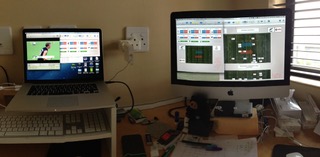
Season 2 (2005-2006), we took a significant leap forward in streamlining our video capture process by leveraging media connections unique to the head coach. Speaking to the camera crew enabled us to connect directly to a feed at the broadcast truck parked at the stadium.
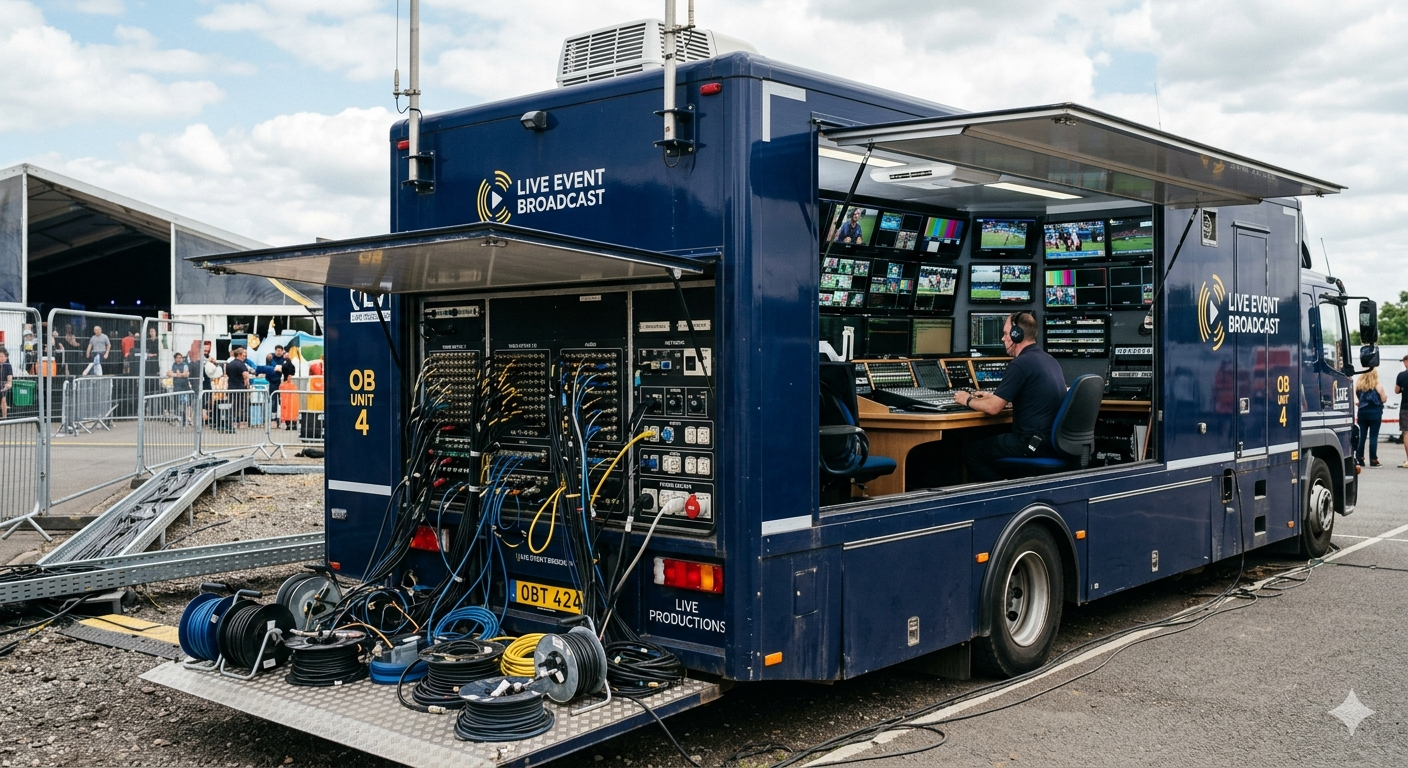
I was now able to live capture and code all of the matches live on-site minutes away from the player’s area. I had also streamlined the process of transferring the video package from my laptop - the machine directly linked to the TV feed, to the Coach’s laptop which was needed in the player’s zone with the team.
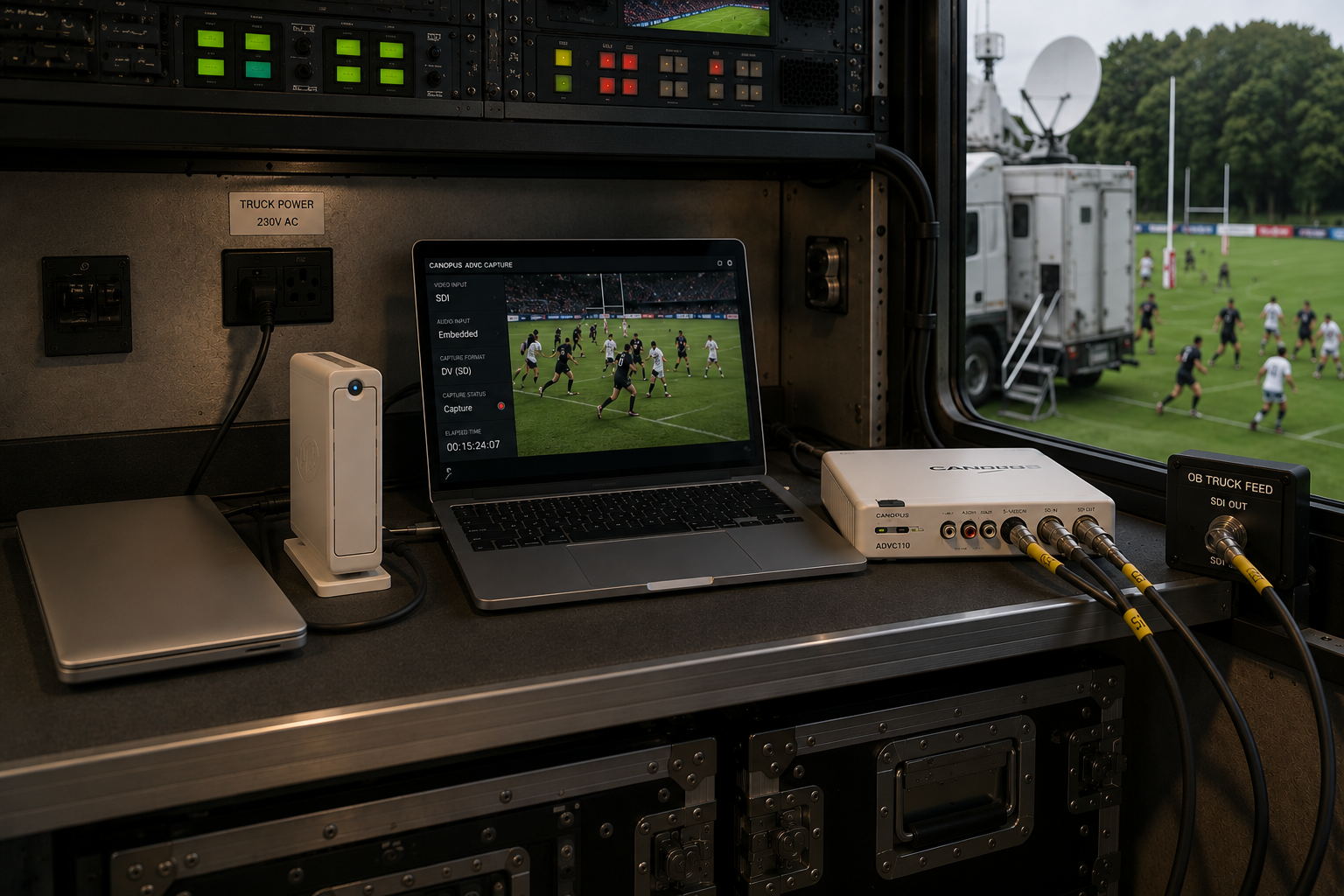
For this job I used an external hard drive to upload the information from my laptop when there was a break in the match schedule and store the video packages. To complete the process the Coach generally brought his laptop to me when the team began their pre-match preparation, I would copy the newly created packages including the match the team had just played, to his machine and return it to him for immediate post match review.
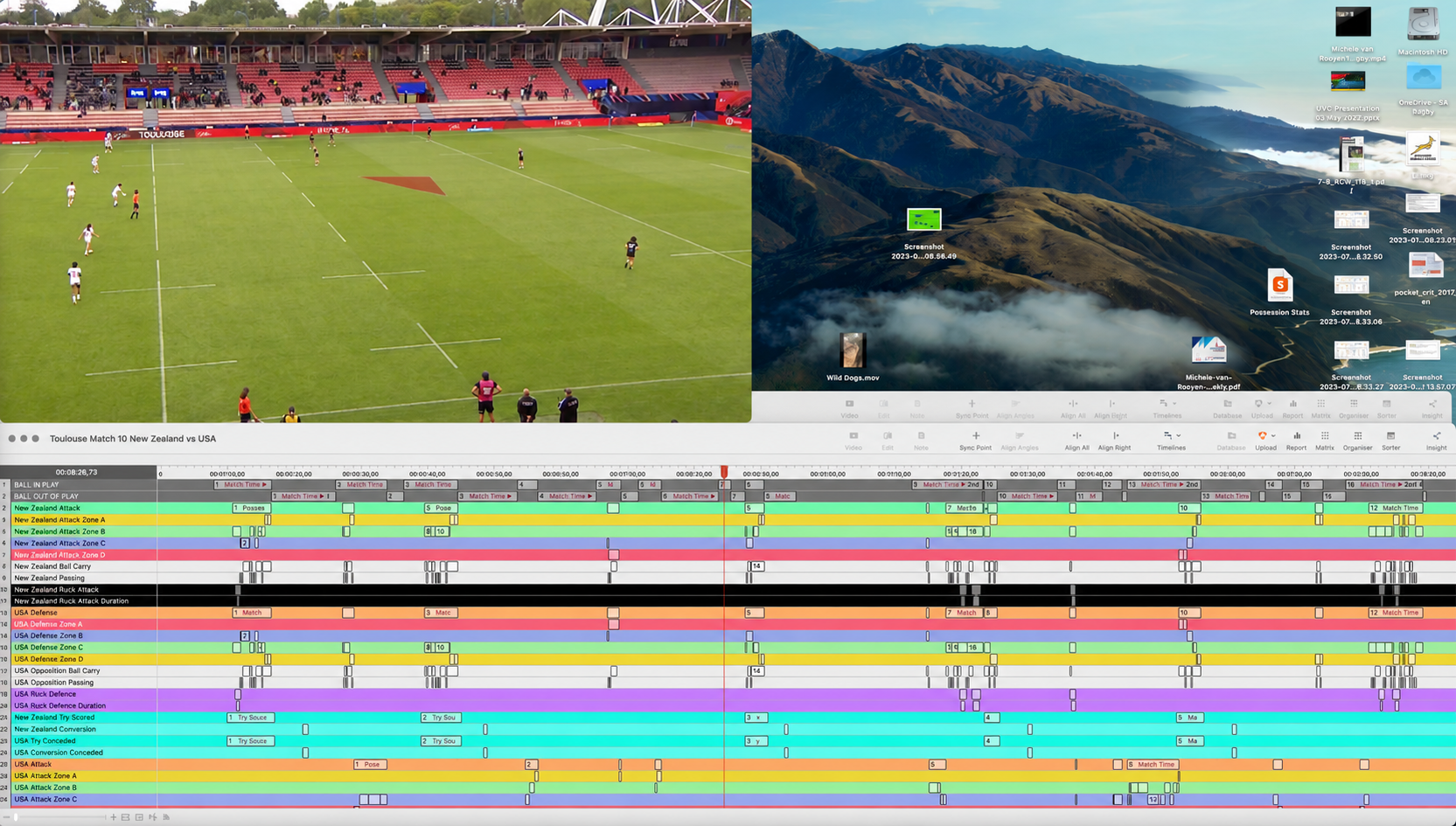
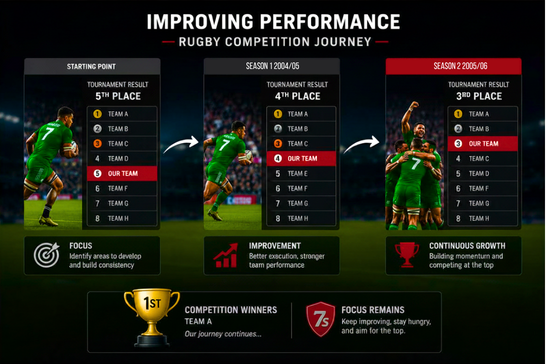
The efficiency of this workflow was a significant improvement on our first attempt the previous season. The lessons learnt from that season fine-tuned our code window and thus our data collection. The overall effect of our live-coding ‘experiment’ was to see the team finish in 4th position in the overall tournament standings after year 1 and then in 3rd place after year 2. We were definitely slowly but surely improving the team’s performances but with an National team or International event your job is never finished until you’ve reached the summit and the Sevens World Series Trophy.
For those unfamiliar with the format of a 7s tournament, let me explain how the two
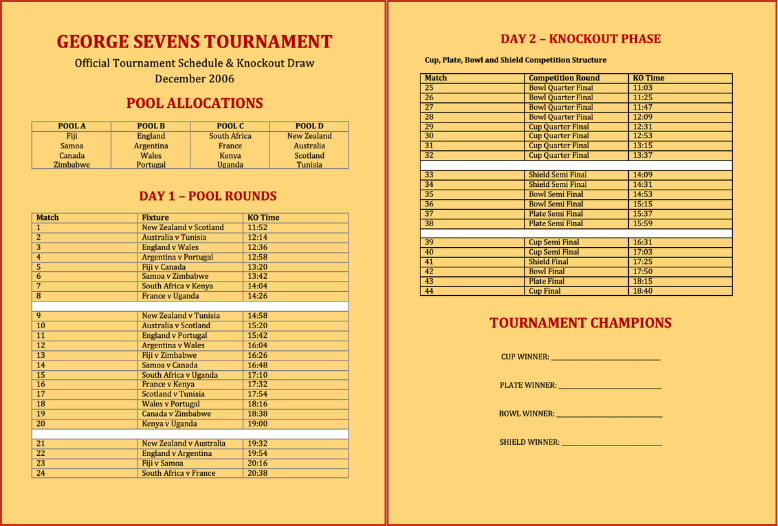
(occasionally 3) days were organized. Sixteen teams were evenly distributed into four pools. On Day 1, each team played three matches against the other teams in their respective pools, resulting in a total of 24 matches. The draw for the first round of the knockout matches on day 2 is only be available after the final match concludes. There’s insufficient time available when the day 2 fixtures are announced, for extensive opposition analysis and self reflection hence the value of live coding.
However, live coding is only possible when you have a person dedicated to the task and due to tournament regulations and budget restrictions this was only possible at the home event in George, along the Garden Route. For the remaining 7 tournaments around the world a DVD recorder with a hard drive was exchanged for the live capture ‘set up’. Despite this being a significantly inferior method it still provided an important advantage for the Coach.
The Big Turnaround - London 2006/07
Everything changed during the London leg of the series in the 2006/07 season. This time, I attended the tournament with the team, staying in the same hotel and filming their training sessions. At this point, the teams relied on footage provided at the end of the day. However on this occasion I was granted permission by the TV media team to utilise their live feed.
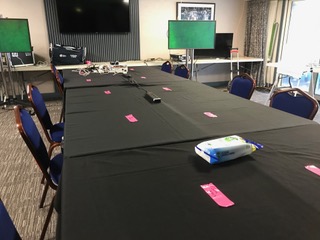
Seated in a conference room at Twickenham, I was busy working in my new Springbok Sevens tracksuit, capturing and live coding each match as scheduled. This continued until the event manager from the IRB noticed my team jacket and inquired about my presence. After a discussion, I was allowed to stay in the media section but had to conceal my team affiliation by turning my clearly marked Springbok jacket inside out.
This self-initiated access to a live video stream caused quite a stir among tournament officials. Despite limited opportunities for live coding, our processes developed over three seasons led to improved team performances and as a result, we were perceived as having an "unfair" advantage over the other teams.
This prompted officials to level the playing field by providing a communal live feed to all teams in subsequent competitions. Since then (2007-2008), a communal analysis facility has been established at each tournament, and the quality and quantity of video footage have continually improved with advancements in technology.